🖼️
Image not available
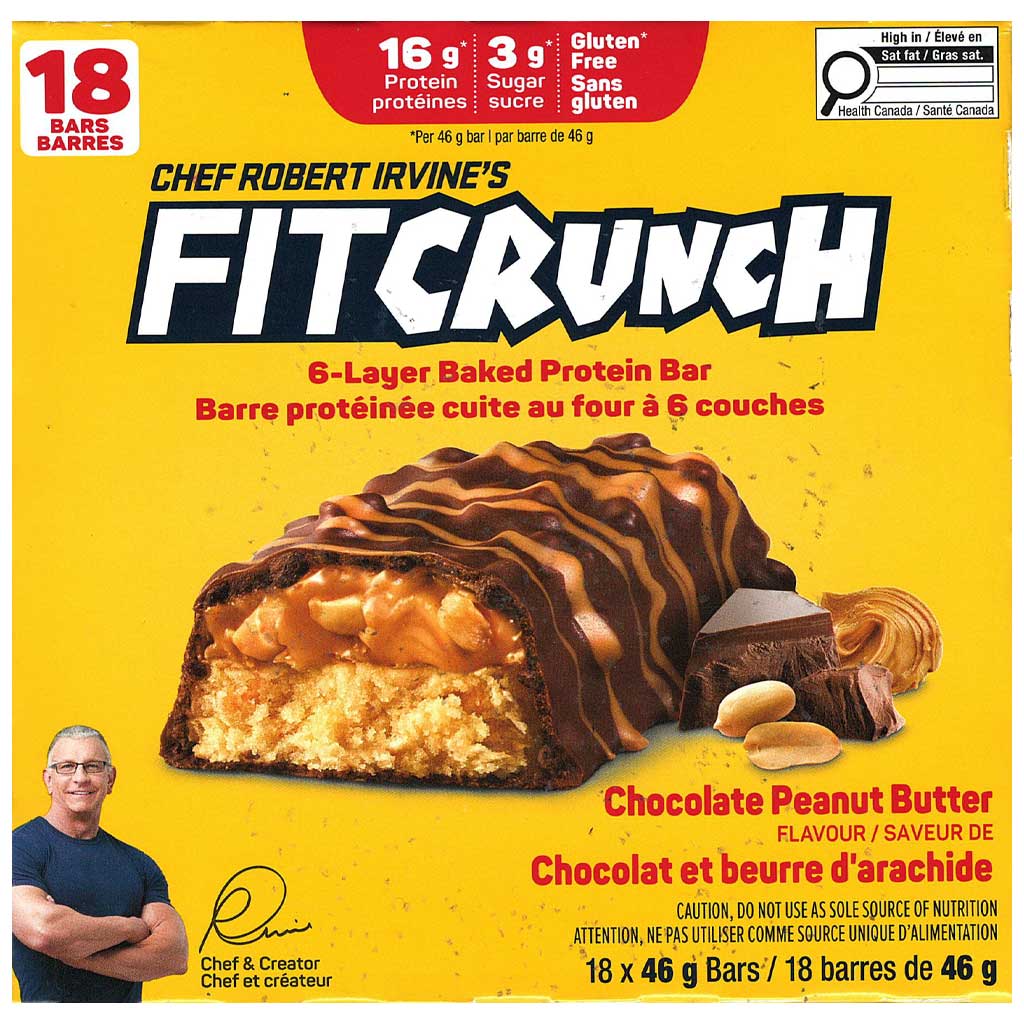
FITCRUNCH PROTEIN BAR
Nutrition Score
65
/ 100
average
Flavor:Chocolate Peanut Butter
40.0g
Protein per 100g
525
Calories per 100g
35.0g
Net Carbs per 100g
7.6g
Protein per 100 cal
Package Size
Available Flavors
Selected: Chocolate Peanut Butter
210 calories • 16g protein
40.0g protein/100g
525 cal/100g
Chocolate Peanut Butter
Nutrition Information - Chocolate Peanut Butter
Nutrition Quality Score
AI-powered analysis of nutritional value
64.8Average
Better than 50% of similar products
Protein Density95%
Measures protein per calorie. Optimal range: 8-12g protein per 100 calories. Higher scores indicate more protein-efficient foods.
Protein Efficiency40%
Evaluates protein quality based on content per 100 calories. Excellent: 20g+, Good: 15-20g, Average: 10-15g per 100 calories.
Macro Balance32%
Optimal macronutrient distribution: 20-30% protein, 40-60% carbs, 15-35% fat of total calories. Balanced macros support overall health.
Sugar Content100%
Lower is better. Optimal: less than 10g sugar per 100g. Higher scores mean less sugar, which helps maintain stable blood sugar levels.
Fiber Content16%
Optimal range: 3-15g fiber per 100g. Higher fiber aids digestion, promotes satiety, and supports heart health.
Sodium Content100%
Lower is better. Optimal: less than 400mg sodium per 100g. Higher scores indicate less sodium, supporting cardiovascular health.
Micronutrients32%
Evaluates vitamin and mineral content. Based on fiber and protein levels as indicators of overall nutrient density.
Processing Level81%
Lower sugar and sodium typically indicate less processing. Higher scores suggest more whole-food ingredients and fewer additives.
Macronutrients
Protein34.8g
Carbohydrates32.6g
Fat21.7g
Fiber2.2g
Sugar6.5g
Serving Information
Serving SizePer 1 bar (46 g)
Calories per serving210 calories
Protein per serving16g
Calories from Protein(CFP)64
CFP %30%
Calories per 100g457